
An Interview with Paula Kamen
Deb
Paula, it was so lovely to chat with you. I’d like to advance our conversation now with some questions. Just to give an overview, you’ve published four books.
You and I know one another because Venus Theatre did staged readings of your play Jane: Abortion and the Underground at George Washington University in 2005 and 2006.
What a ride that play has taken! Since our reading, you’ve honed it down to fewer actors needed (as few as seven!). In 2019, it was given a staged reading off-Broadway in NYC to benefit A is For, a pro-choice activist group of theater artists, that featured Cynthia Nixon. In 2023, it was nominated for a Jeff Award for Best Ensemble for a production with Idle Muse in Chicago.
What I remember about that first reading is meeting Heather Booth. She’s a founder of Jane, featured in your play, and she’s a prominent force to be reckoned with in Washington, DC. I was later able to get to know her even more and to meet with her and Eleanor, another Jane founder, and interview them.
So many powerful and inspiring things strike me about the Jane journey. But I wanted to ask you (selfishly) about the significance of Venus Theatre reading that play publicly in terms of its long trajectory. I guess I should ask: was the work at Venus significant in contributing to Jane’s longevity and growth?
Paula
Venus stood out with its enthusiasm, experience, and support, giving the play not one, but TWO readings, one in fall of 2005 and one in January of 2006. You really made me feel like I was part of a vibrant feminist theater community, and kept me engaged with playwriting during the isolated and very long-term gratification-heavy task of book writing, which I now know from experience is harder than childbirth. At your reading, I remember the dopamine levels being turned up high levels because of the talents of your actors embodying the characters in new ways.
The Venus readings were a highlight of a first wave of productions and readings of the Jane play that started with its official premiere in Chicago in 1999 and went until the election of Obama in 2008, when the urgency of threats to abortion rights seemed less dire. (Then when Trump got in, I made major revisions and it had a new life, such as being performed in red states where abortion was outlawed to benefit abortion-travel funds.)
I think that you, along with some others, had found me because of a profile of the play in the much-missed Bitch Magazine. That was also a period when many colleges had benefit readings, including at the University of California, Santa Barbara, which led to a graduate student there, Annika C. Spear, publishing two journal articles over the years about the play, including one in 2021 about its feminist activism and influence of the younger generations performing it.
Deb
I am now published as well. We are of the same generation, writing and producing about feminism from opposite ends of the literary spectrum, to meet here in the middle. For me, theatre is a vehicle of empathy. And I’ve produced over 76 plays. I’ve been running Venus for close to a quarter of a century now. It took losing my space and a pandemic for me to sit down and write.
You, on the other hand, have been published everywhere and just finished producing your first festival. The HystericalFest, which was performed live last August at the Piven Theatre in Evanston, IL! Now available for streaming through Nov 28, 2026.
What were the benefits of producing your first theatre festival?
Paula
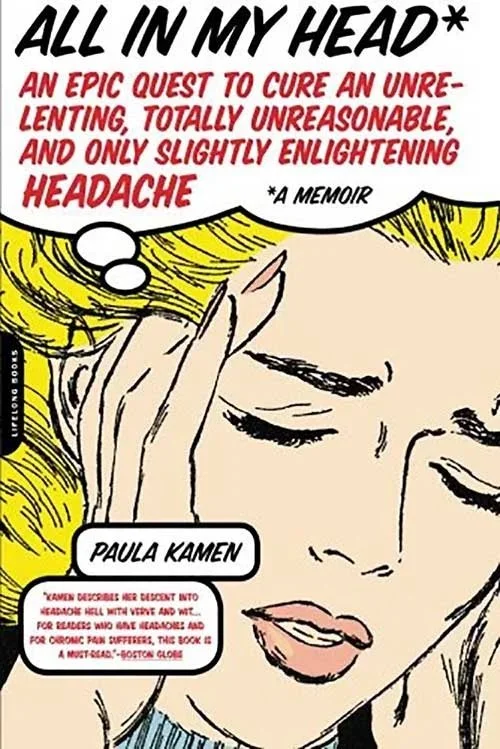
Yes, after a long time in the trenches mainly writing books, I’m now focusing primarily on the more thrilling and less isolated theater stuff. Your memoir actually had a big influence in bringing me to the ambitious DIY production side, so I can either thank or blame you for that. :) I had just written a humorous short play, The Side Effect, inspired by my own struggles with chronic migraine, trying every cure possible, no matter how illogical or degrading or expensive. I was thinking it would go great in, say, a feminist short-plays comedy festival on invisible disability. Then I read your memoir and your philosophy of doing what you did with Venus: bringing to life the theater you wanted but did not yet exist.
My idea for HystericalFest was that, for centuries, a way to diagnose a woman (or person of a historically marginalized gender) for hysteria was if they were dramatic and seeking attention about their otherwise invisible disability. With HystericalFest, we would be turning the tables, embracing the forbidden, literally “acting out.”
The most rewarding part was its radical accessibility, with the help of consulting co-producer Terri Lynn Hudson, an actor in the fest and devoted accessibility activist. We included several actors and one director who are immunocompromised and worked remotely, two by pre-taping monologues and another by pre-taping the disembodied voice of the customer service drone in the insurance company portal. I was also gratified to see audience members attending in person using accessibility services, such as a blind woman with an impossibly well-behaved dog using the audio description feature.
Hystericalfest: women+ ACT out
Short comedies on Women+ & Invisible Disabilities
Streaming through November 28, 2026 - Virtual Tickets
Deb
My third and final question is about something we both share in our art forms: longevity. It’s hard to ask you about this because I honestly still feel like I’m just getting by myself. It’s difficult to take stock of the decades when everything still feels like such a battle. I know you have lived with a disability, and you continue to show up and move your expressive voice into the conversation. Such a necessary voice. Such a critical conversation.
Between Feminist Fatale and Finding Iris Chang, from Jane to your HystericalFest, what would you say are the areas of progress and, conversely, where are the areas we’ve just been stuck? And what celebrations and actions for change do you recommend?
Paula
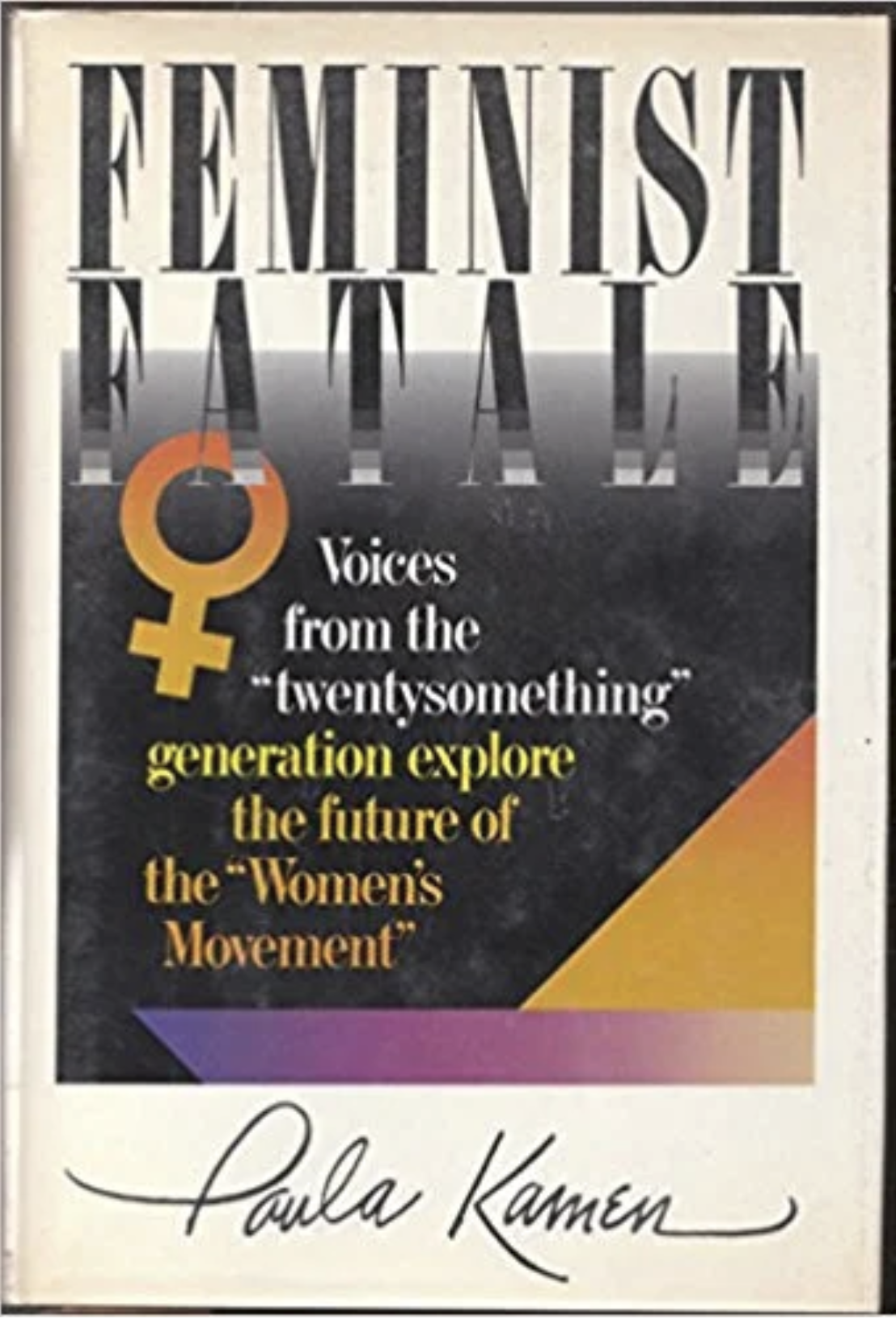
Yes, the hard part of this type of creative work is not just doing a big project ONCE with a big burst of adrenaline, but to keep it going over a lifetime, while preserving your own mental health. In my twenties, on a very tight deadline, I wrote my first book almost in a manic fever dream, buoyed by youthful energy and loads of caffeine. I had no guardrails. Every night, not wanting to stop a roll, I would go to bed a bit later than the night before. After three months, I was going to bed at 7 am and waking up in the afternoon, when it was almost dark in the middle of winter. That strategy of Vitamin-D deficiency and zero work/life balance worked. The resulting book, Feminist Fatale, got published and launched my career.
But then, I hit a wall with the second book. The old ways of work weren’t possible anymore. I started getting regular headaches that devolved into chronic migraine, 24/7. So I had to learn the concept of “managed creativity,” as I’ve read it termed. That means pacing one’s self and accepting limits, my major strategy in dealing with the migraines. I also have to consciously put up boundaries and only take on work I can financially afford and have reasonable time for, without killer deadlines.
Nothing is more basic than your health, and even if you are supported by the greatest community possible, you’re the only one in your life who will actively and consciously work to preserve it. This was a message of my last book, Finding Iris Chang (2008), about my most successful friend, a bestselling and relentless author who only knew about making things happen by sheer force of will. She basically worked herself to death, denying her bipolar disorder until it became unmanageable and drove her to take her own life. And this happened without the financial pressures that most artists face. But we didn’t know any better than the strategy to just push ourselves. When we were together in journalism school in the late 1980s, there was no discussion about self-care. With the more enlightened younger generations, that may be changing.